Shifts in Player Behavior Due to Integration of Blockchain in Sports Wagering Platforms
Felix Keller · Sep 1, 2026
Shifts in Player Behavior Due to Integration of Blockchain in Sports Wagering Platforms
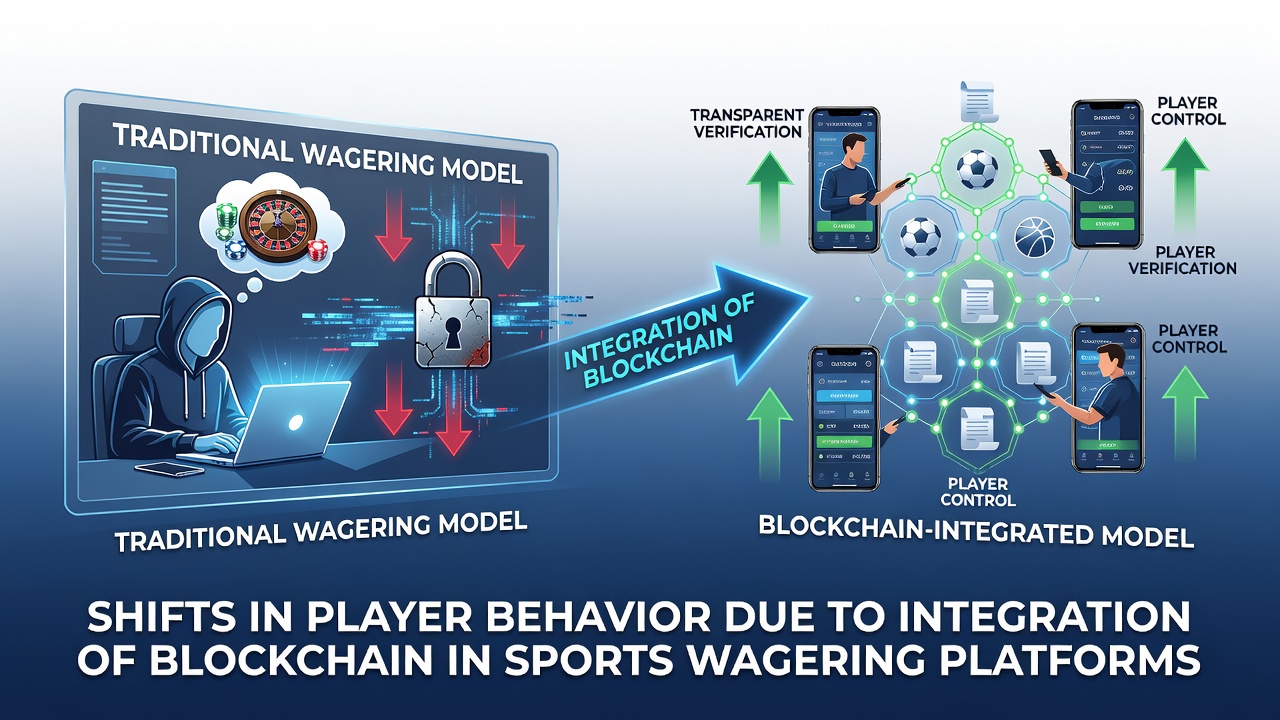
Blockchain technology continues to reshape sports wagering platforms through immutable ledgers that record every transaction and outcome without central intermediaries, and this shift has prompted measurable changes in how participants interact with betting systems. Data from regulatory bodies show increased transaction volumes on platforms that adopted distributed ledger protocols, while researchers tracking user patterns note alterations in deposit frequency and withdrawal timing. Those who study digital gambling markets observe that players now complete more micro-bets because settlement occurs in near real time rather than through traditional banking delays.
Transparency Driving New Engagement Patterns
Immutable records allow participants to verify odds calculations and payout distributions independently, which has led to longer session durations on certain platforms. According to figures released by the New Jersey Division of Gaming Enforcement, sportsbooks incorporating on-chain verification reported a 23 percent rise in repeat wagers per user during the first half of 2026. Observers note that bettors review historical blocks before placing larger stakes, a behavior less common on centralized sites where trust rests solely with the operator.
Smart contracts automate conditional payouts once event results feed into the ledger, reducing disputes and encouraging users to explore complex multi-leg parlays they previously avoided. Studies from academic institutions tracking European markets indicate that this automation correlates with higher average bet sizes among experienced players, while newer participants test smaller entry-level wagers more frequently because the process feels verifiable.
Speed of Settlement and Deposit Behavior
Cryptocurrency rails integrated with blockchain protocols cut processing times from days to minutes, prompting users to adjust their bankroll management strategies. Platforms report that players maintain smaller but more frequent deposits instead of large lump sums, a pattern documented in transaction logs across multiple jurisdictions. In September 2026 several operators expanded stablecoin options after observing that instant funding encouraged in-play betting during live events rather than pre-match placements alone.
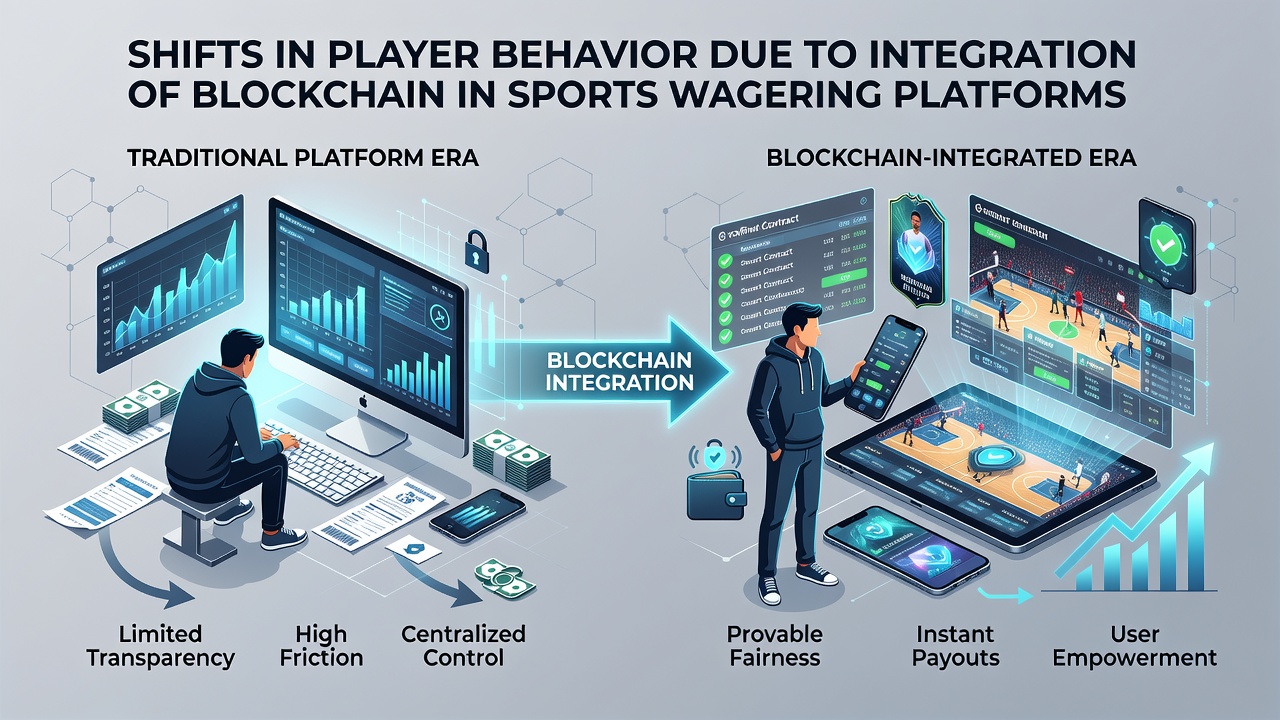
Those monitoring platform analytics find that withdrawal requests spike immediately after major sporting outcomes because funds clear without intermediary approval, a contrast to legacy systems that impose holding periods. Research compiled by the Alcohol and Gaming Commission of Ontario highlights corresponding increases in session frequency among users who previously limited activity due to cash-out friction.
Privacy Features and Regulatory Navigation
Zero-knowledge proofs and pseudonymous wallets give players greater control over personal data disclosure, yet regulatory frameworks in various regions require identity verification at certain thresholds. This tension has produced hybrid behaviors where users split activity across multiple wallets to manage exposure while still complying with know-your-customer rules when necessary. Industry reports from the Malta Gaming Authority document that platforms offering optional on-chain privacy tools see elevated retention rates compared with those enforcing full disclosure at every step.
Decentralized autonomous organizations now govern some betting pools, allowing token holders to vote on rule changes and market offerings, which shifts power dynamics away from single operators. Participants who engage in these governance mechanisms display longer platform loyalty metrics according to internal data shared at industry conferences, though overall adoption remains limited to niche communities.
Emerging Data on Risk Perception and Volume
Tokenized betting markets and fractional ownership of large wagers introduce new participation models that appeal to risk-averse individuals who previously avoided sportsbooks. Evidence from university-led pilots shows that these structures lower the perceived barrier to entry, resulting in broader demographic reach including younger users comfortable with digital assets. At the same time, on-chain transparency makes loss-chasing patterns more visible to the users themselves, sometimes prompting voluntary self-exclusion tools embedded directly into wallet interfaces.
Global transaction volumes on blockchain-enabled sportsbooks reached notable milestones by mid-2026, with North American and Asian markets contributing the largest share according to aggregated industry statistics. Regulatory sandboxes in Singapore and Canada continue to test frameworks that balance innovation with consumer protections, producing datasets that future policy decisions will reference.
Conclusion
Blockchain integration has altered deposit rhythms, withdrawal expectations, and verification habits across sports wagering platforms, with quantitative evidence emerging from multiple regulatory and academic sources. As September 2026 implementations mature, further shifts in player behavior will likely appear in transaction granularity and governance participation, driven by the underlying ledger architecture rather than marketing claims alone. Continued monitoring by oversight bodies remains essential for understanding long-term patterns.